Domaine de la CozanneDomaine de la Cozanne
©Domaine de la Cozanne|Quentin LAHAIE © Beaune Tourisme
SpacesFauna and Florain the Beaune region

Discovering the flora and fauna of the Beaune region

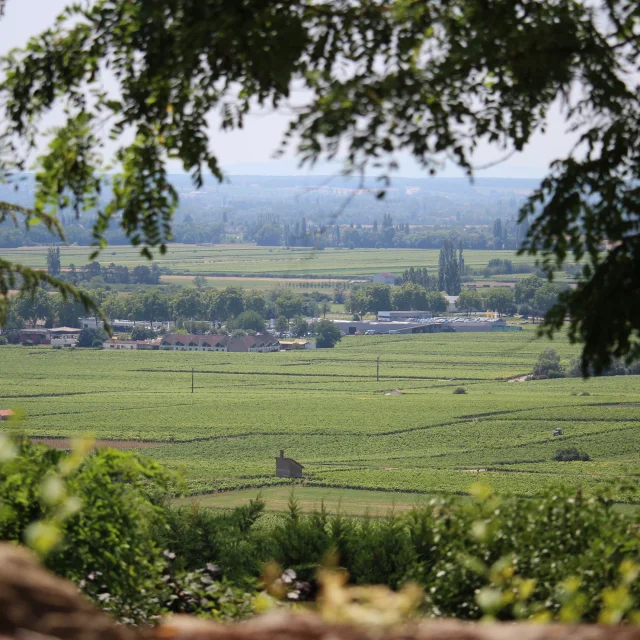
Renowned for its climats and rolling landscapes, the Beaune region is home to much more than just Grands Crus. At the heart of this wine-growing region lies a remarkable biodiversity, some of which is listed in the European Natura 2000 network. The region is rich in precious flora and fauna , often discreet and little-known, but essential to the balance of our ecosystems. Bats taking refuge in old walls, wild orchids perched on the hillsides, rare birds soaring over the valleys – these are just some of the species that testify to the ecological richness of the Beaune region. To help you observe and understand them better, discovery trails, nature trails and conservatory orchards offer a gentle, educational immersion in the heart of this living heritage. Come and explore this living natural heritage, both fragile and fascinating, and rediscover the wild treasures of the Beaune region.

A discreet and precious fauna in the Beaune region

Birds emblematic of limestone coombs and grasslands

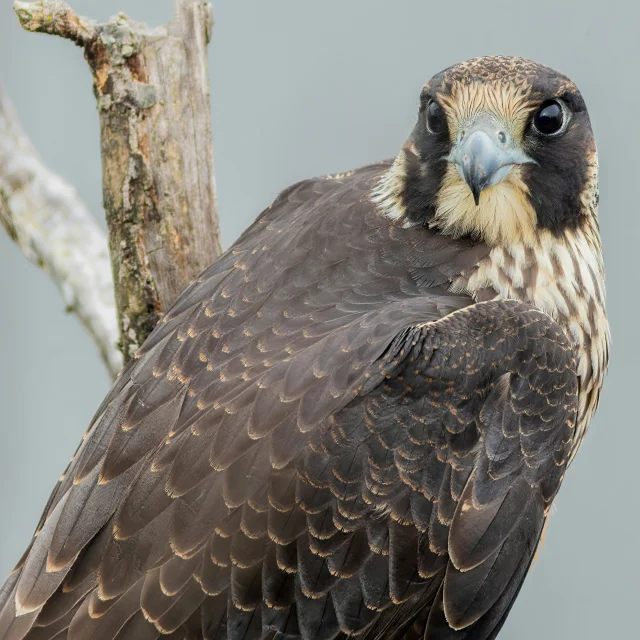
Perched on bushes or soaring over valleys, a number ofprotected bird species inhabit the open and semi-open countryside of the Beaune region. These include

  • The Peregrine Falcon, which nests on cliffs and rock faces;
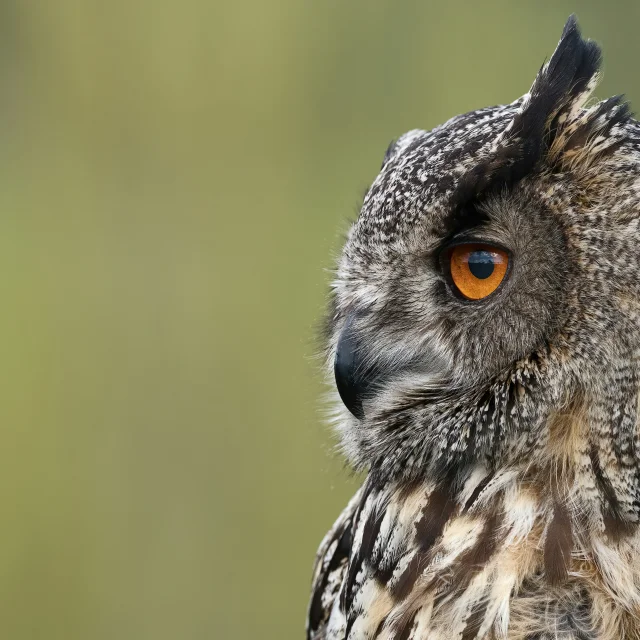
  • The Great Horned Owl, also known as “bubo bubo”, nests in natural environments (cliffs, coves, forests) or artificial environments (quarries);
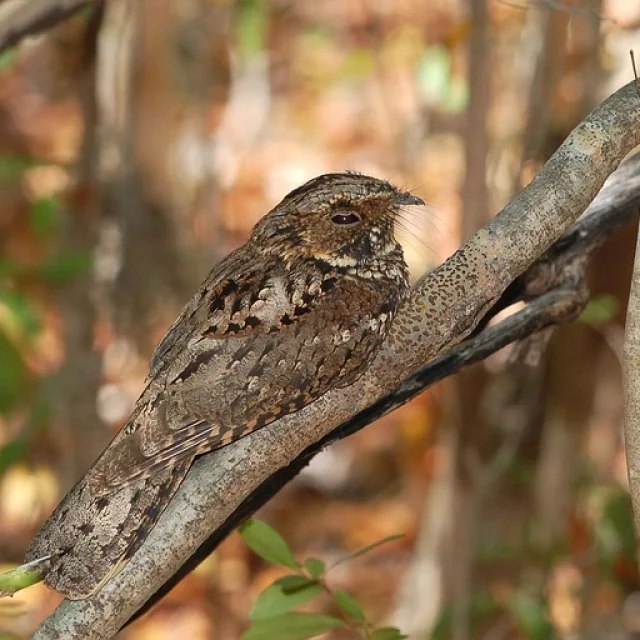
  • TheEuropean Nighthawk, a trans-Saharan migrant, nests in semi-open areas (grasslands, wasteland, woodlands);
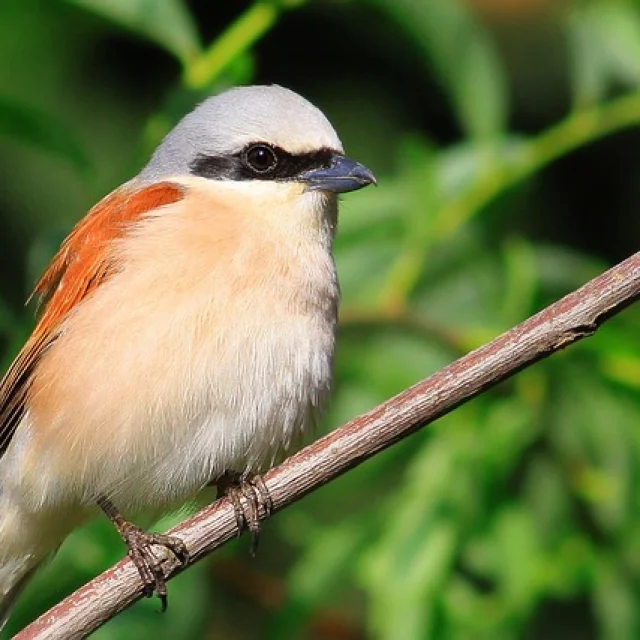
  • The Red-backed Shrike, which needs open vegetation to hunt and agricultural areas for its breeding cycle;
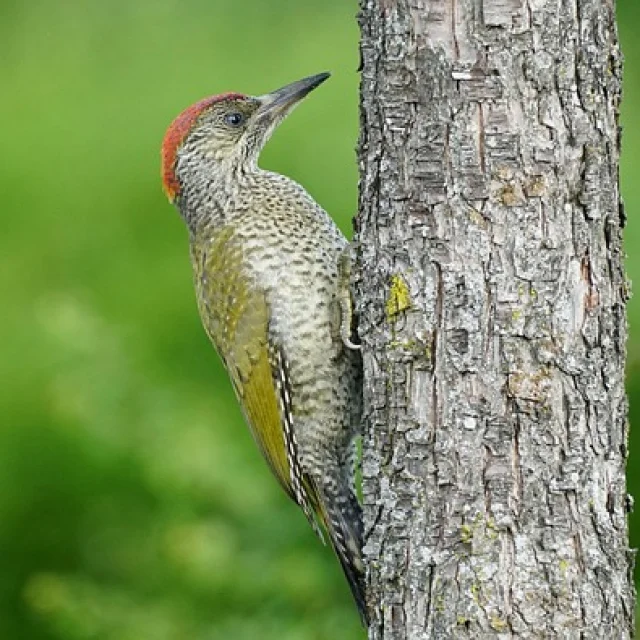
  • The Ash Woodpecker, which nests in forest patches, mature forests, etc. close to large-diameter trees.

These birds are highly dependent on well-maintained environments. Appropriate management of valleys, meadows and hedgerows (extensive grazing, late mowing, etc.) helps them to reproduce and feed.
Bats: secret inhabitants of coombs and old buildings

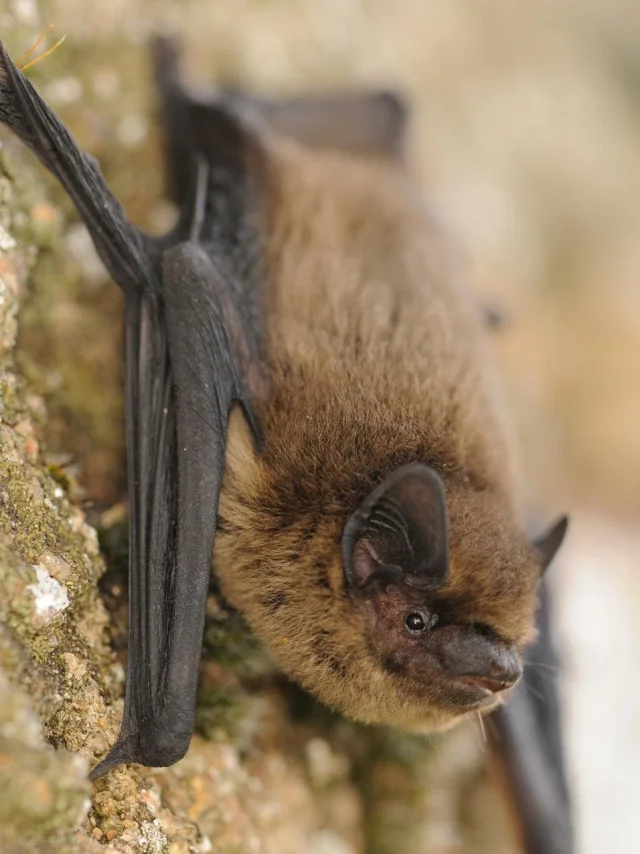
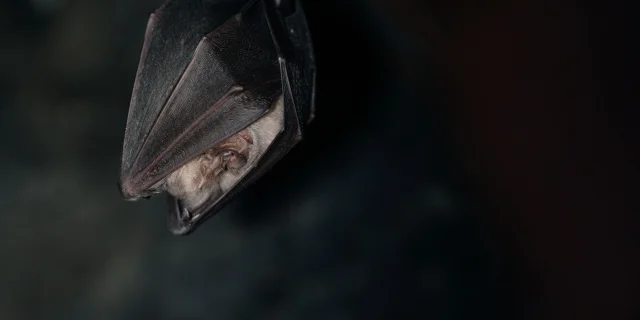
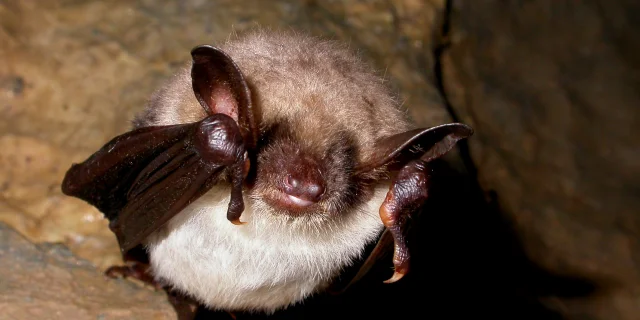
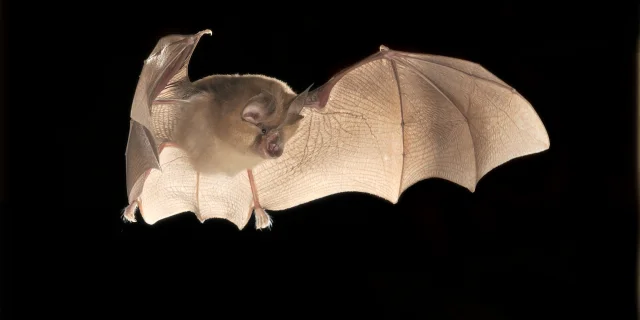
Often misunderstood and surrounded by prejudice, bats nevertheless play a fundamental ecological role, notably by regulating insect populations. The Beaune region is a refuge for several protected species, including the Little and Great Rhinolophus, the Great Murin, the Schreibers’ Minoptera and the Common Pipistrelle. Active at night, these mammals make their homes in a variety of environments, including wooded valleys, old trees, stone buildings, isolated attics and old cellars. A number of Natura 2000 areas have been identified to protect these habitats, which are essential to their reproduction and hibernation. To better understand and protect these species, regular inventories, scientific monitoring and management actions are carried out in partnership with local naturalists.

Four main caves in the area have been identified as important sites for bats:

These caves, grouped together under theNatura 2000 designation “Bat caves in Burgundy”, are of major interest for the hibernation and reproduction of many species of chiropteran. There is also another remarkable area: In the commune of Savigny-lès-Beaune, a combination of limestone grasslands and deciduous and coniferous forests provides a favourable habitat for a number of sensitive species, including the Lesser and Greater Rhinolophus, the European Barbastelle and the Stilt-eared Bunting.

FAQ - Everything you need to know about bats :
  • Where does the name come from

    The name “bat” comes from an error in translation: the Gauls said “cawa sorix” (“owl-mouse”), which became “calvus sorix” in Latin, meaning “bat”. The scientific name Chiroptère (pronounced kiroptère) comes from the Greek kheír (hand) and ptéron (wing), as these mammals fly using their hands transformed into wings.

  • Are they vermin?

    Not at all, quite the opposite!

    • They are not invasive: a female bat gives birth to just one young per year.
    • They don’t suck blood: in Europe, no bats are haematophagous. Only a few species in South America, known as “vampires”, do.
    • Bats do not transmit diseases in France: neither bats nor their guano (their droppings) are dangerous. On the contrary, guano is an excellent natural fertiliser!
  • What do bats eat?

    They feed mainly on insects. Did you know that? A bat can eat up to 600 mosquitoes a night! So they’re a great seasonal feeder for farmers!

  • Why do bats sleep upside down?

    Sleeping upside down gives them protection from predators. Thanks to an automatic tendon locking mechanism, this position requires no effort on their part.

Other remarkable species in the region

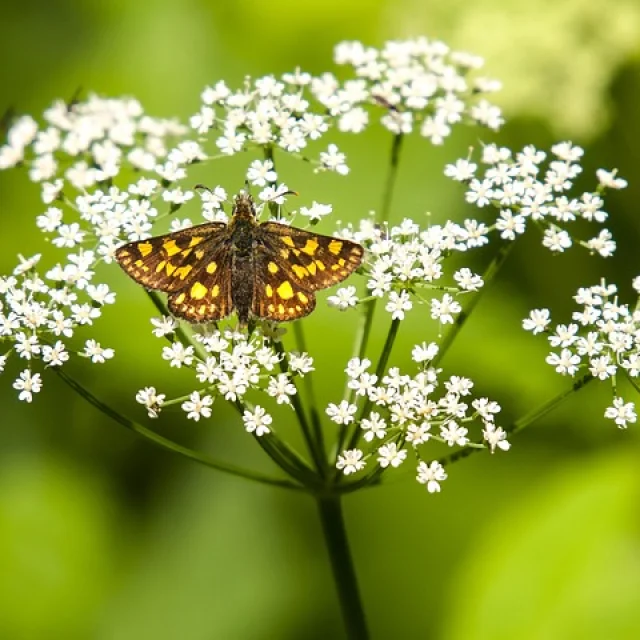
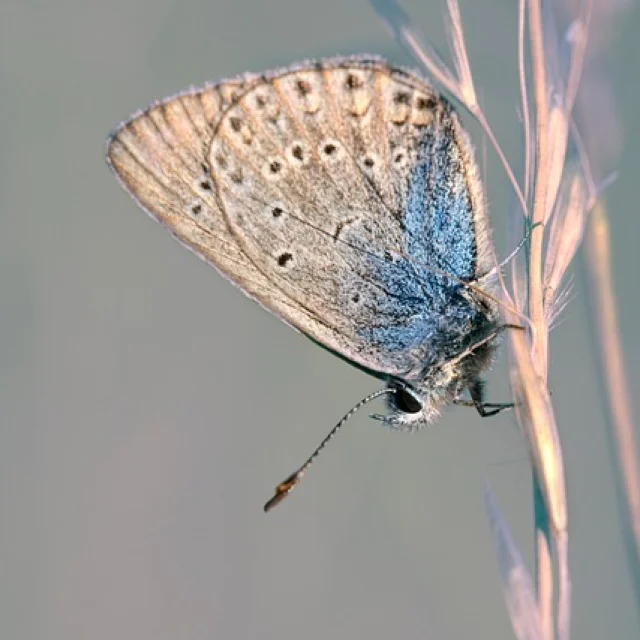
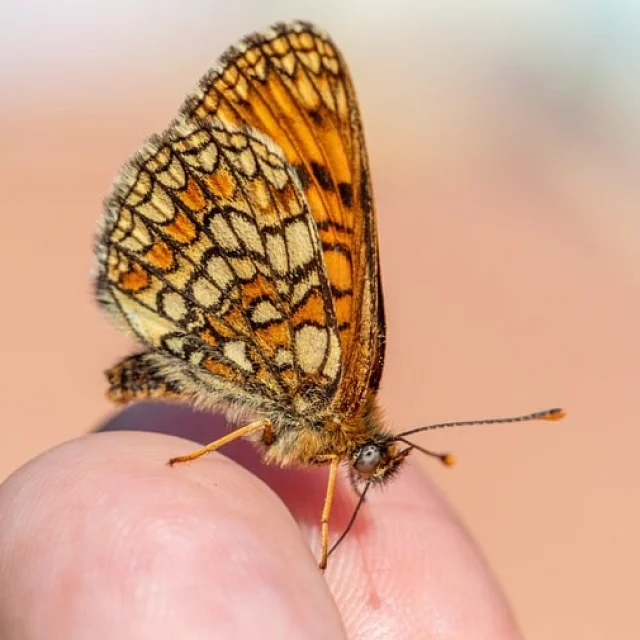
As well as birds and bats, the area is home to a varied and sometimes surprising fauna. Butterflies such as the Azure butterfly can be seen in the wet meadows and clearings, the Succise butterfly in the limestone soils, and the Emerald ash butterfly in the edges and clearings of the young ash woods. All these animals, although fairly discreet, are indicators of the good health of local nature.

Exceptional flora, a reflection of the limestone and wine-growing environments

The Pays Beaunois is an area of great ecological diversity, and its flora is living testimony to this. From limestone grasslands to wooded valleys, meadows and hedgerows, the local vegetation reflects centuries of interaction between man and nature. Some rare or protected plant species find ideal conditions here, provided the environment is carefully maintained.

Natural environments and habitats: botanical treasures overlooking the vineyards

Under the combined influence of different climates, theArrière Côte de Beaune has a unique flora, combining species with mountain and Mediterranean affinities: a rare feature in Burgundy. This richness can be explained by the great diversity of natural environments, many of which are recognised as being of European interest. The Natura 2000 site “Natural Habitats of the Arrière Côte de Beaune” bears witness to this exceptional ecological value. It includes :

  • 18 habitats of Community interest, including 5 priority habitats,
  • 21 animal species protected under the Habitats Directive,
  • and 33 remarkable and protected plant species, among other heritage features.

This natural area is organised around emblematic sectors:

  • To the north, the Ravin d’Antheuil and the Rhoin Valley;
  • To the south, a string of limestone grasslands, cliffs, forests and stubble fields, forming an ecological biome that stretches all the way to the north of the Saône-et-Loire department.

These remarkable landscapes are an integral part of the Beaune region’s identity and include several emblematic sites:

  • Pas Saint-Martin,
  • Les chaumes de Nantoux and Pommard,
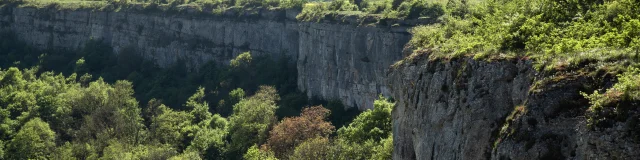
  • The cliffs of Saint-Romain and Baubigny,
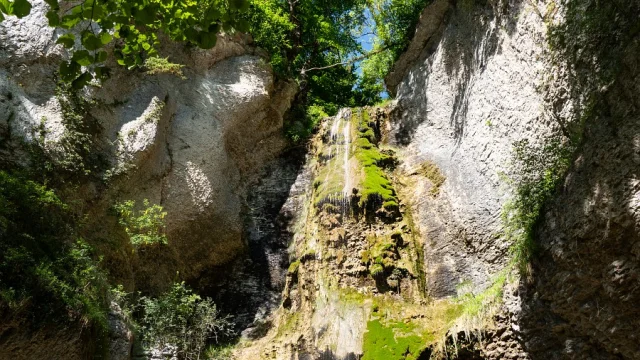
  • The Bout du Monde cirque,
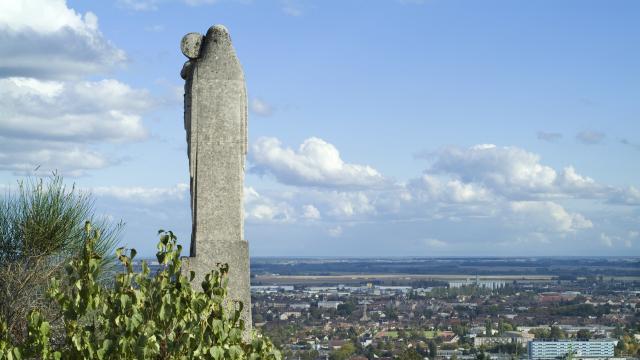
  • The Montagne des Trois Croix.

Limestone grasslands, forests and wet meadows: reservoirs of biodiversity

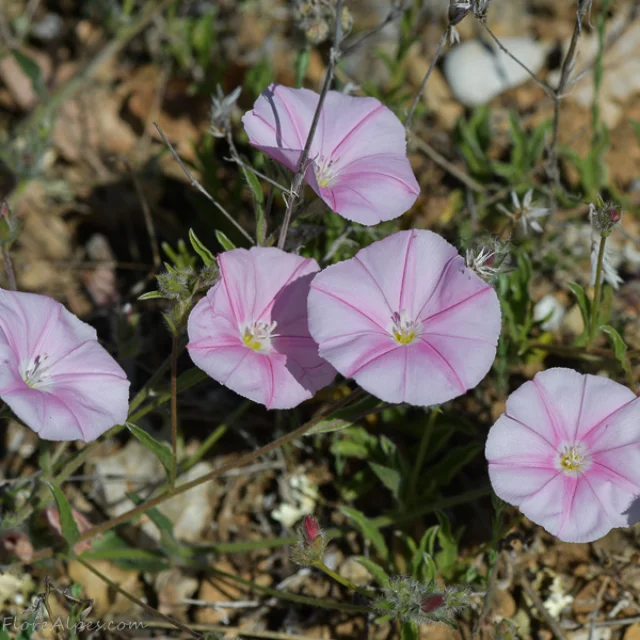
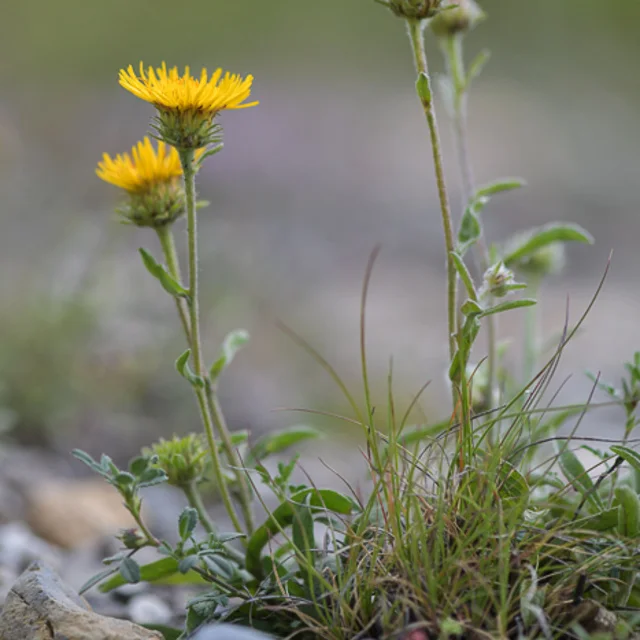
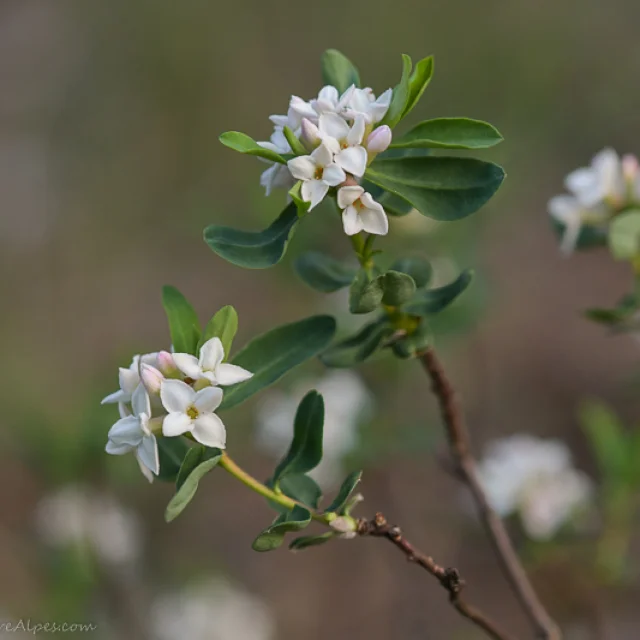
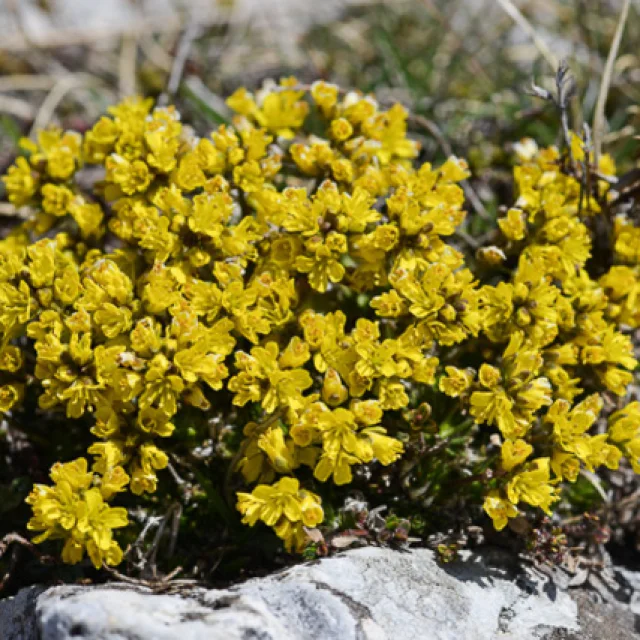
Typical of the landscape of the Beaune region, limestone grasslands develop on dry, shallow soils, generally located on hillsides or in valleys. Their traditional upkeep (light grazing, manual clearing of undergrowth) has helped to maintain an exceptional flora, adapted to these arid conditions. Many wild orchids can be found here, including thepyramidal orchid, thebee orchid and thegoat orchid. These fascinating, often fragile plants are true indicators of biodiversity. Other typical species such as the dwarf avens, Daphne alpina, mountain avens,mountain gorse and Cantabrian mountain bindweed contribute to the botanical richness and landscape identity of the region. But these habitats are under threat from encroachment due to neglect or closure. Targeted management measures are being implemented as part of Natura 2000 to restore and preserve these grasslands.

The wealth of flora is not limited to the hillsides. The hedgerows, which are still very much in evidence in certain agricultural areas of the Beaune region, provide refuge for a wide variety of flora, while also forming ecological corridors for fauna. The wooded valleys and mixed forests of the plateau are also home to a wide variety of tree species: beech, oak, ash, maple, etc., accompanied by an equally varied undergrowth flora. Some species, such as the leafy gilthead, colonise the wetter or shadier areas. Finally, natural meadows, when mown late or grazed extensively, are home to a colourful flora that favours pollinating insects.

A living natural heritage to protect and share

The Beaune region is more than just a wine-growing area: it is also rich in biodiversity, home to discreet fauna, remarkable flora and natural environments of great ecological value. Thanks to measures such as Natura 2000, theupkeep of limestone grasslands, the preservation of wooded valleys and the development of conservation orchards, this living heritage can be preserved for future generations. But protecting this exceptional natural heritage requires the participation of everyone. By following a botanical trail, by observing without disturbing, or simply by adopting respectful gestures during your walks, everyone can contribute to the preservation of this fragile balance. Take the time to look up, listen and observe: nature in the Pays Beaunois is just waiting for you to reveal its treasures.