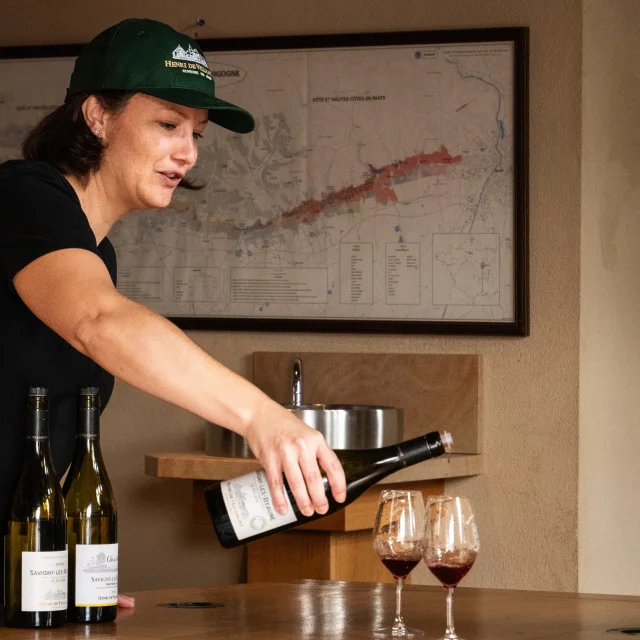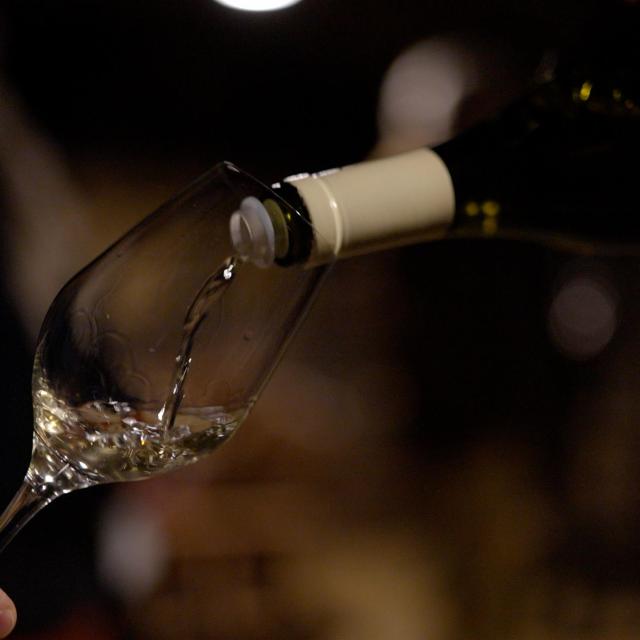
- How to enjoy wine
Tasting is an art that you can achieve in three stages:
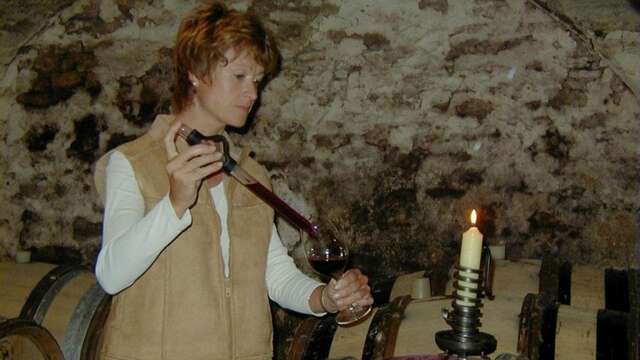
- Look: first of all, it’s a pleasure for the eyes! By examining the wine, you can assess its age and origin by paying attention to its clarity, brilliance and colour.
- Smell: use your nose to determine the character of a wine by the aromas and intensity it gives off.
- Taste: appreciate the structure of the wine, i.e. the flavours, intensity and balance of the taste.
For more information, discover the art of wine tasting from Hachette Vins
- How is wine made?
To obtain this elixir, whether red or white, five stages are necessary:
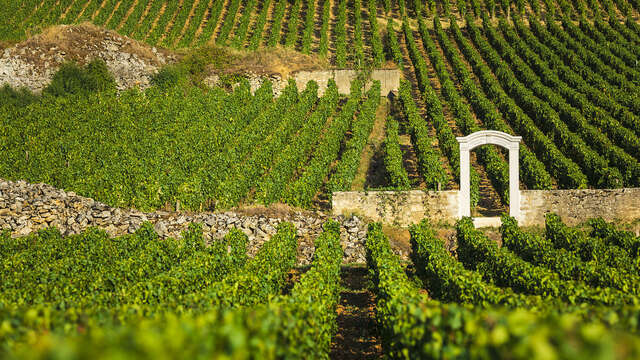
- The harvest: this is when the grapes are picked. Cut by hand (or rarely by machine), the bunches are then sorted to remove any rotten, over-ripe or under-ripe fruit.
- Pressing: the grapes are pressed to obtain the must, i.e. the freshly pressed grape juice with the skins and seeds. For red wine, the juice remains in contact with the skins to develop its aromas, while for white wine the juice is quickly separated from the skins so as not to be tainted.
- Fermentation: the must is then set aside to ferment naturally for 6 to 12 hours using wild yeasts present in the air. Fermentation continues until all the sugars have been converted into alcohol. This process can last from 10 days to a month, or even longer, depending on the conditions and the type of wine being made.
- Clarification: this process allows solid residues (dead yeast cells, tannins, etc.) to be removed. The wine is then transferred to a barrel or vat for subsequent clarification by fining or filtration. By adding clay, for example, or using filters, the wine is washed of impurities. It is then transferred back to another vat for bottling or maturation.
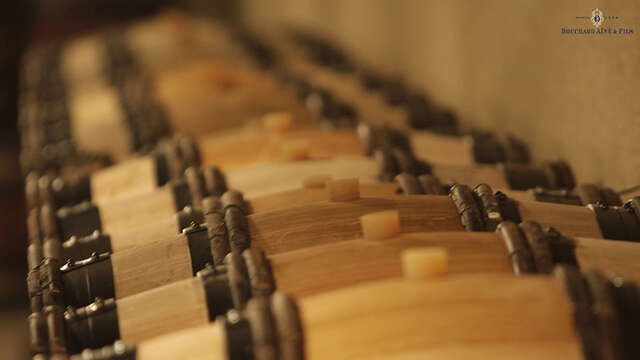
- Maturation and bottling: if necessary, the wines are kept in barrels or vats to finish maturing, in order to obtain more pronounced flavours. Once maturation or clarification is complete, the wine can be bottled. The rest of the process is more familiar: labelling, selling and tasting.
To find out more, visit the Cité des Climats et Vins de Bourgogne for detailed explanations of the area, how the wines are made, the climats, the aromas… you can also sample the wines.
- Why smell the wine before drinking?
Smelling the wine allows you to determine its character based on the intensity of the aromas. There are two olfactory tests:
- the first nose: smell the wine without aerating it by holding your glass still; you will smell the most volatile aromas.
- The second nose: aerate the wine by swirling it in the glass (you can start by swirling it on a table) to increase the aromas tenfold and reveal complex aromatic notes.
- Why put the wine to bed?
Laying wine down preserves it. Storing wine horizontally prevents oxidation. The liquid moistens the cork, preventing it from crumbling, drying out or shrinking. However, keeping your bottle upright will not prevent cork taint. The influence of cork taint is not due to the position in which the bottle is stored, but to the alteration of the cork. If it is contaminated, the taste will be altered.
- Why aerate wine?
Bringing the wine into contact with oxygen softens the tannins, releases the aromas and harmonises the structure of the wine, resulting in a balance of flavours on the palate. A few minutes’ aeration is enough for Pinot Noirs. White Chardonnays and Burgundies require 15 to 30 minutes.
- Which is the better wine, Bordeaux or Burgundy?
If you’re a Burgundy lover, you’ll certainly say Burgundy wines! But without getting into rivalry, the ‘best’ wine depends above all on your tastes… and what you eat. In Burgundy, we usually work with a single grape variety: Pinot Noir for the reds, Chardonnay for the whites. Each wine draws its personality from its climate (a plot of vines with a well-defined terroir), resulting in subtle, fine and elegant wines. In Bordeaux, complex blends are favoured, particularly for the reds, which may combine up to four grape varieties (Merlot, Cabernet Sauvignon, Cabernet Franc, etc.). These are powerful, well-structured wines, often made for laying down. Rather than pitting them against each other, it’s best to choose according to your tastes and your dishes:
- Red Bordeaux: ideal with grilled red meats, game or dishes in sauce.
- Red Burgundy: perfect with poultry, mushrooms or light stews.
- White Bordeaux: go well with fish in sauce, seafood or hard cheeses.
- White Burgundy: sublime with shellfish and poultry in cream sauce.
- What is the best Grand Cru in Burgundy?
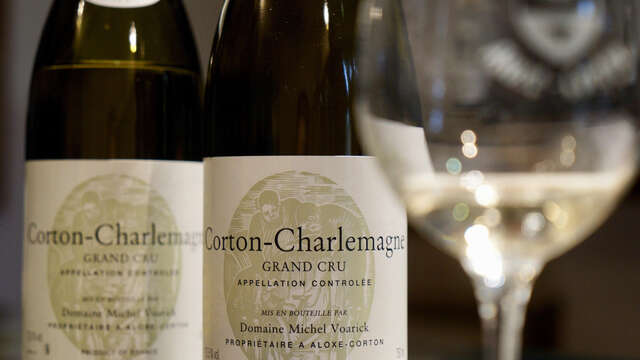
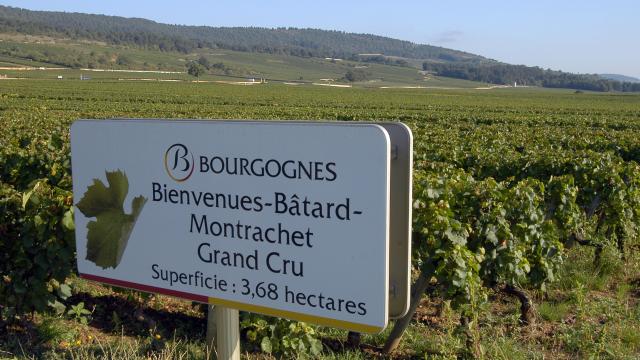
It’s hard to say which is the ‘best’ Grand Cru in Burgundy: it all depends on your tastes, the moment, and the dish that accompanies it. What is certain is that the region boasts some of the most prestigious wines in the world, spread between the Côte de Beaune and the Côte de Nuits.Côte de Beaune: Corton; Corton-charlemagne; Bâtard-montrachet; Bienvenues-bâtard-montrachet; Montrachet. Côte de Nuits: Chambertin; Clos-de-vougeot; Echezeaux; Richebourg; Romanée-conti; La-grande-rue.
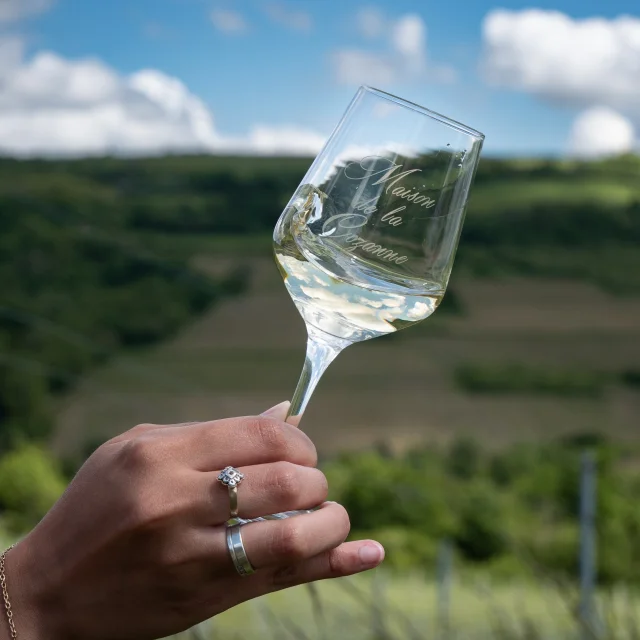 Hand Wine Glass