 lacree-vignes-automne
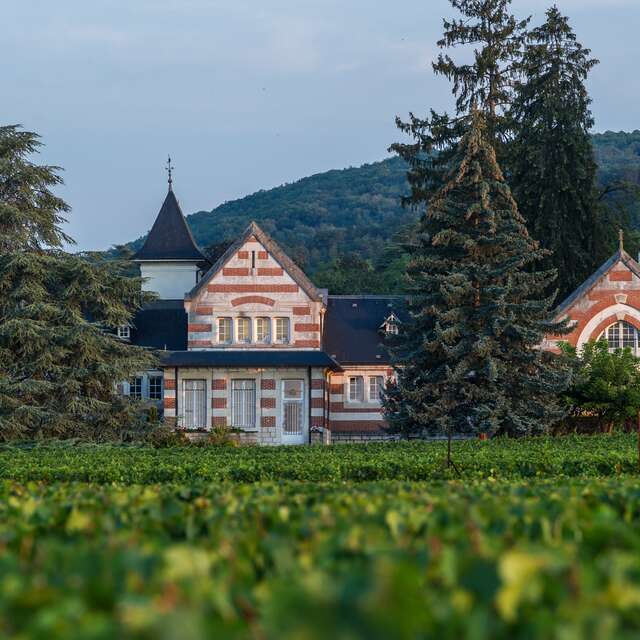
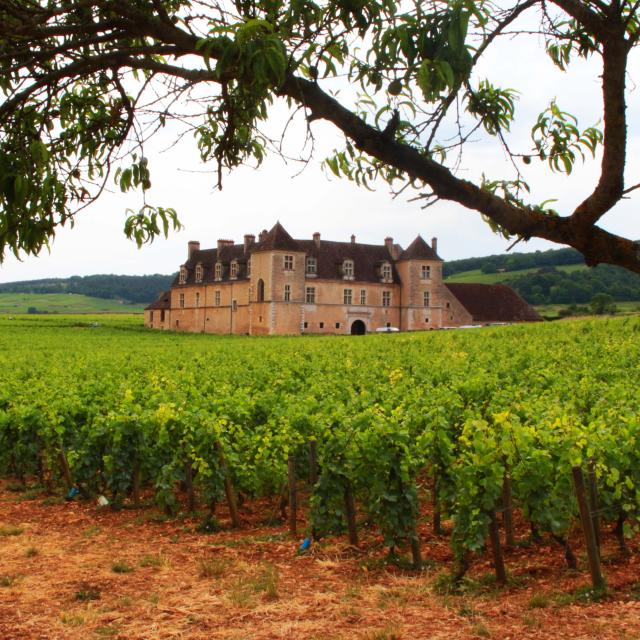
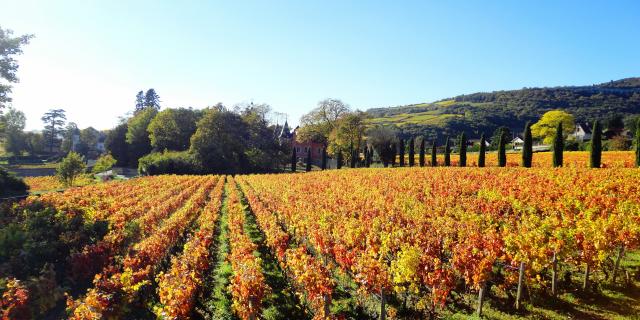
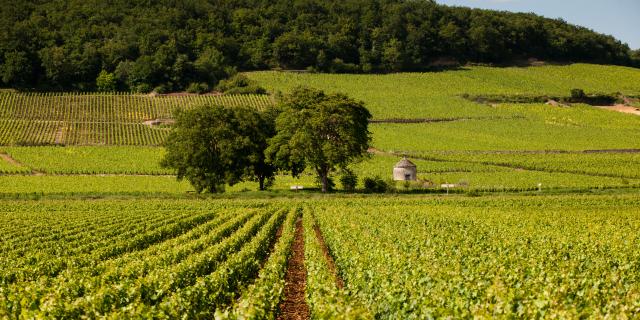 Vineyards and cabotte in Savigny
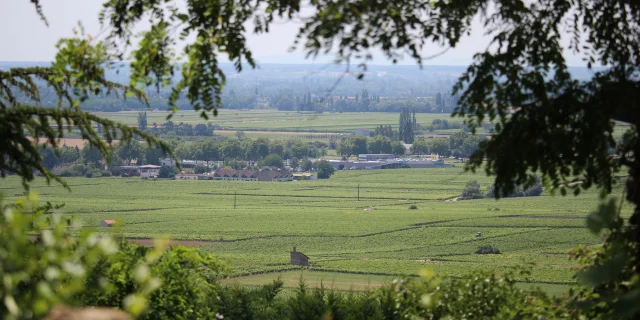 Otbeaune 006827 Md
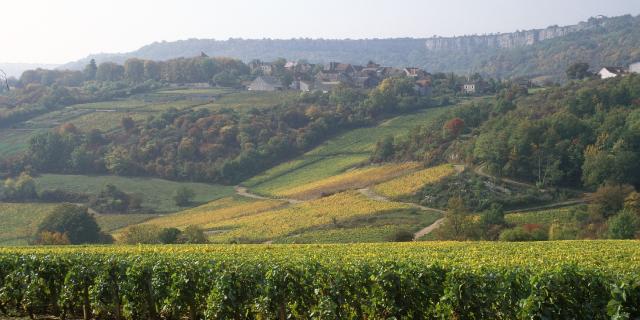 St Romain Vignes
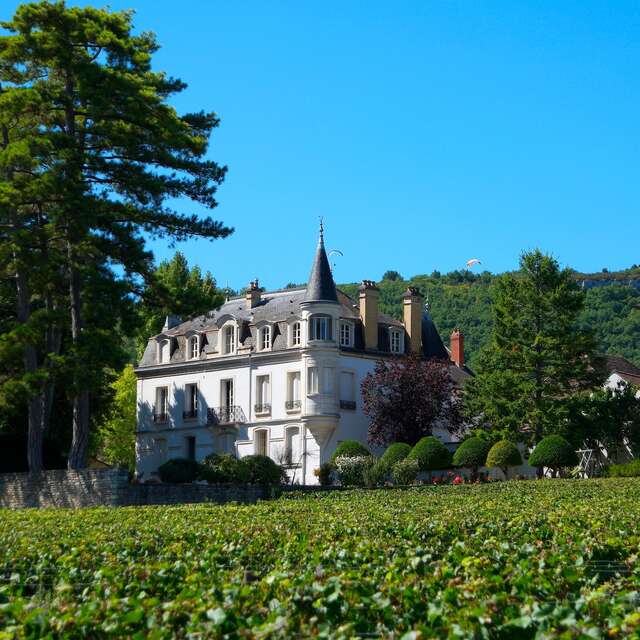
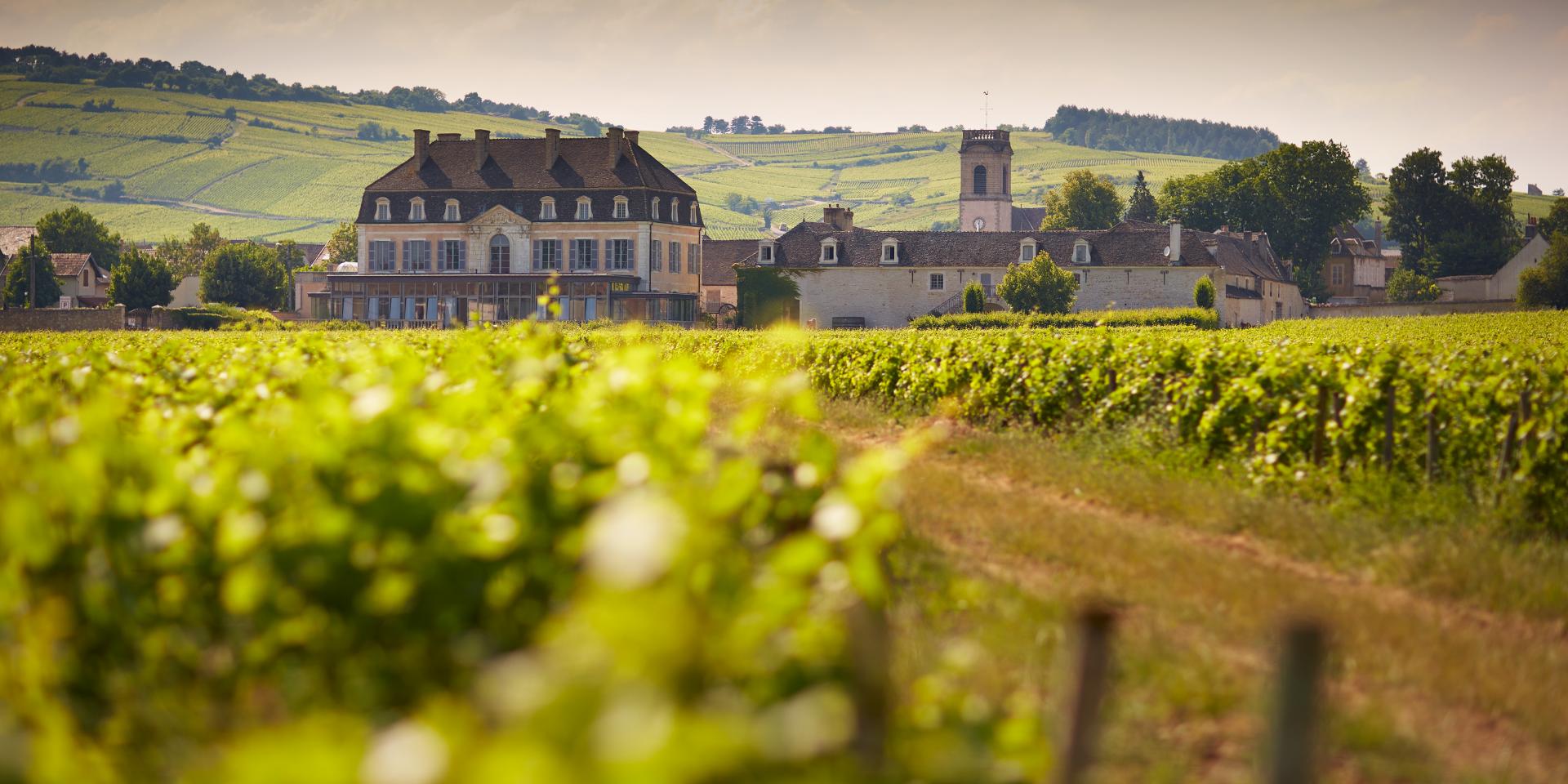 Chateau Pommard Vigneslacree-vignes-automneVineyards and cabotte in SavignyOtbeaune 006827 MdSt Romain Vignes
 prosper-maufoux-vignes2
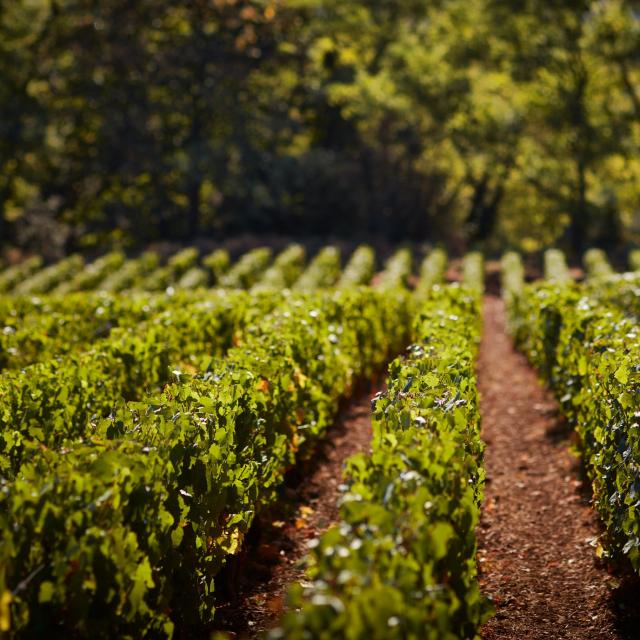
A sustainable wine is first and foremost a wine produced using practices that respect the environment: few or no chemicals, gentle tillage, preservation of biodiversity, rational water management, reduction of the carbon footprint. But it’s also a human and responsible approach: guaranteeing good working conditions, being part of local life, sharing best practices. And in the glass? The wine is often livelier and more expressive. In short, a wine with meaning.
The Bureau Interprofessionnel des Vins de Bourgogne is an association dedicated to promoting and preserving Burgundy wines. It works on a number of fronts: quality, marketing, market development, administrative management, etc. It is also behind the Cité des Climats in Beaune, Chablis and Mâcon.
There are a number of recognised approaches to these sustainable practices. Here are the main ones:
 logo-agriculture-biologique
No pesticides or synthetic fertilisers are used in the vineyards. In the cellar too, the vinification process follows strict rules to ensure that it remains natural. The result is a wine that is purer and more faithful to its origins.
Here, the vines are treated like a living ecosystem. We follow the lunar cycles, use plant- and mineral-based preparations, and respect the balance of the soil. The resulting wines are often highly expressive and full of character. For the wine industry, two certifications attest to biodynamic practices: Biodyvin and Demeter.
 3
3 Hve Product Ochre
This label guarantees that the entire farm (not just the vines) adopts practices that respect water, soil, inputs, biodiversity, etc. It is often the first step towards organic farming.
A French label focusing on responsible viticulture, which takes into account not only the environment, but also the social and economic impact. A comprehensive approach, compatible with a gradual evolution in practices.
 Terra Vitis logo
This is the first CSR wine label in France. It recognises estates that make a commitment at every level: respect for the environment, transparency, employee well-being, local involvement… A real commitment from soil to bottle.
 Capture Decran 2025 07 30 094751
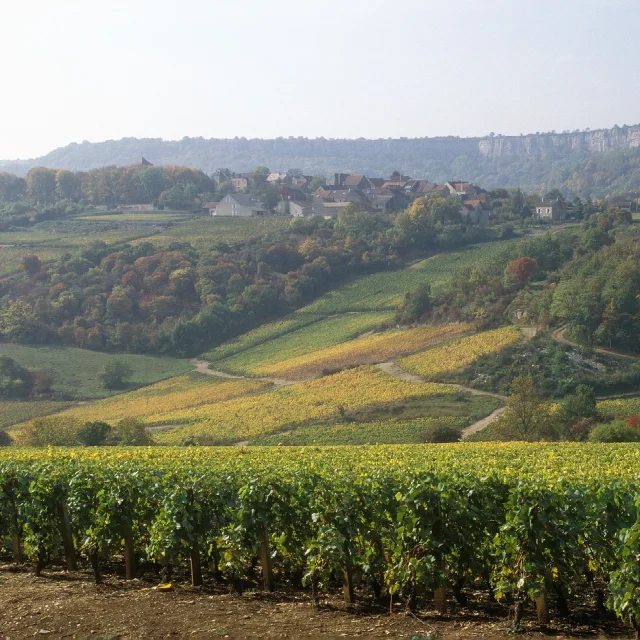
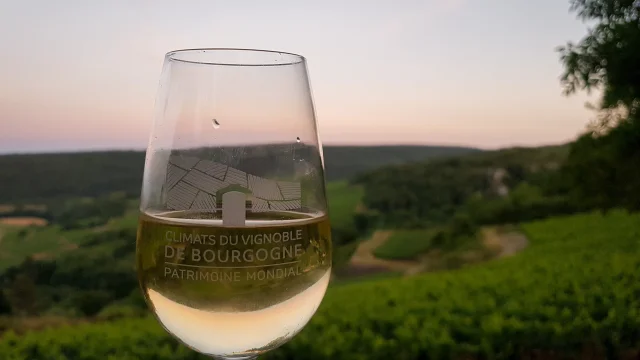
The Climats de Bourgogne are more than 1,200 carefully named and delimited plots, each with its own particularities in terms of soil, slope and exposure. It’s a model that’s unique in the world, the fruit of the combined efforts of nature and culture. Preserving this heritage means opting for respectful viticulture, capable of keeping alive the diversity of the terroirs, the richness of the landscapes… and the finesse of the wines that come from them.
 St Romain Vignes
 Rocault glass
Drinking a sustainable wine is more than a choice of taste. It’s a choice of meaning. Behind the label is a winemaker, a land, a vision. A desire to produce differently, without cheating nature. And in Burgundy, this approach really comes into its own: here, every bottle tells a story – the story of a place, a passion, a commitment. Discover our committed winemakers. And taste another way of experiencing wine.