etang-ponton-2etang-ponton-2
©etang-ponton-2|Beaune Côte & sud
Natura 2000Preserving life

Natura 2000 in the Beaune region

At the heart of the wine-growing landscapes formed by the Climats, the Pays Beaunois is home to much more than just vines. Dry grasslands, wetlands, forests and limestone cliffs form an impressive mosaic of natural environments. In order to preserve this unique biodiversity, several of the region’s sites are part of the Natura 2000 network, a network of identified natural sites based on the sustainable cohabitation of man and nature. Although these protected areas are often little-known by the general public, they play an essential role in safeguarding endangered species.

What is Natura 2000?

Natura 2000 is a European ecological network whose aim is to preserve biological diversity while enhancing the value of the territory. This includes rare or threatened habitats and animal and plant species. This is part of a harmonious cohabitation with sustainable human activities. Contrary to popular belief, this is not a strict nature reserve, but an area of consultation where management projects are developed in conjunction with local stakeholders.

Where to find these sites

in the Beaune region?

The Beaune region is home to several remarkable Natura 2000 sites:

The natural habitats of the Arrière Côte de Beaune

Grasslands and limestone forests of the Côte and Arrière Côte de Beaune

ZSC (Special Areas of Conservation)

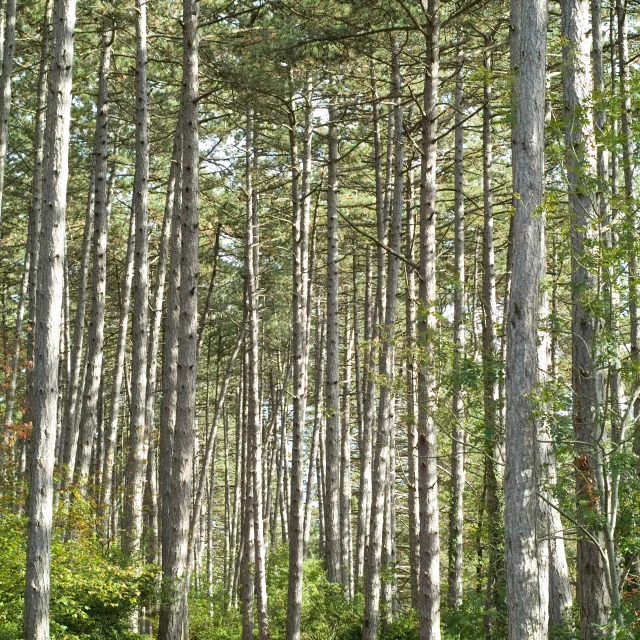
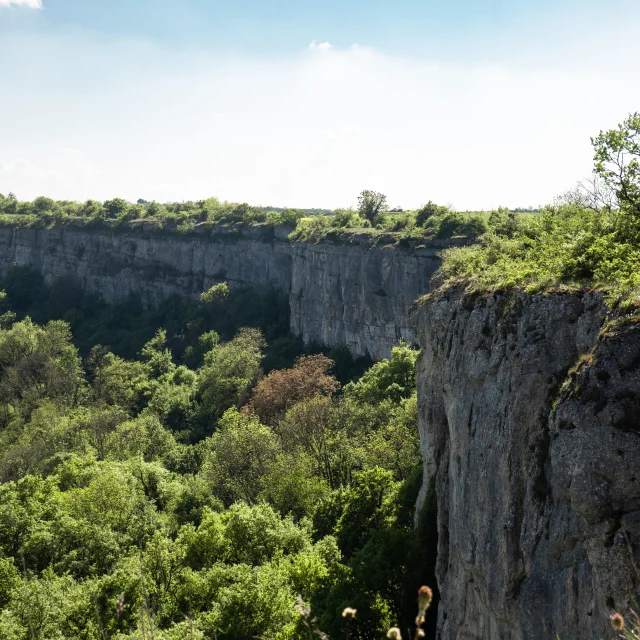
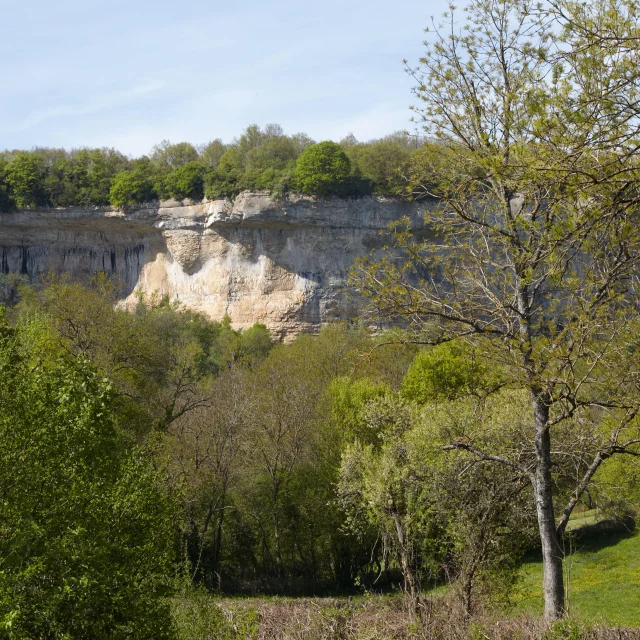
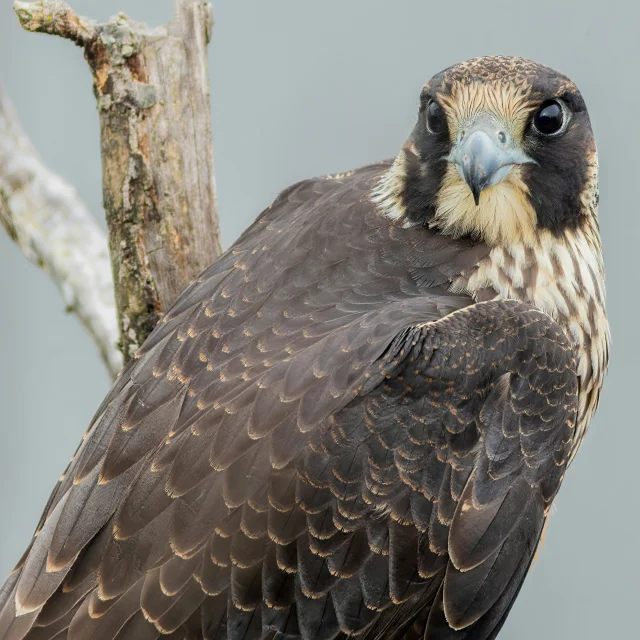
Between the Côte Viticole and the wooded valleys of the Arrière-Côte lies a group of limestone environments typical of Burgundy. This Natura 2000 site crosses around ten communes, including Pernand-Vergelesses, Savigny-lès-Beaune, Auxey-Duresses and Nolay, and is made up of dry grasslands and deciduous oak forests. These environments are home to numerous plant species, including some rare orchids, as well as fragile fauna such as the peregrine falcon. Discovering this site means discovering the exceptional flora and fauna of Burgundy, via the cliffs of Saint-Romain, the Montagne des Trois Croix and Mont Julliard, Monts Rome and Rème, the Chaumes, as well as the Cirque du bout du Monde and the Vauchignon retreat.

Rhoin valley and Antheuil ravine

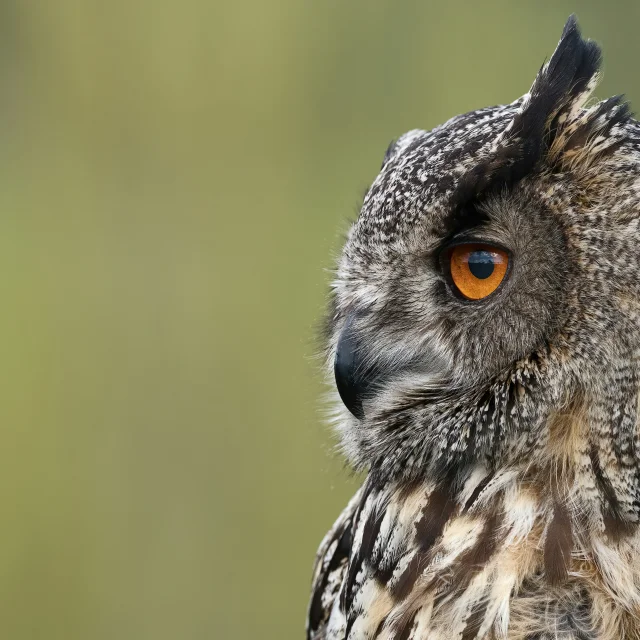
Nestling in the heart of the hills of the Arrière-Côte beaunoise region, the Rhoin valley and the Antheuil ravine are home to a remarkable biodiversity. This Natura 2000 site extends over 1,225 hectares and covers the communes of Antheuil, Bessey-en-Chaume, Bouilland and Savigny-lès-Beaune. The site boasts a mosaic of natural environments: calcicolous grasslands resulting from ancient pastures, cool, damp ravine forests and rocky screes that are difficult to access, providing a haven for specific flora and fauna. You’ll find 5 types of rare protected plant and 16 species of rare and endangered birds, including the Eagle-Owl and the Peregrine Falcon.

Hinterland of Dijon and Beaune

SPA (Special Protection Area for Birds)

Covering more than 60,000 hectares, from Velars-sur-Ouche in the north to Nolay in the south, the Arrière-Côte de Dijon et de BeauneSPA (Special Protection Area) is one of the largestNatura 2000areasin Burgundy. Classified under the Birds Directive, its purpose is to protect bird species of Community interest, particularly those that nest in cliffs, wooded valleys or old trees. These landscapes, both wild and shaped by human activity, provide a refuge for emblematic species such as :

  • the peregrine falcon, which nests on the cliffs and rock faces,
  • thebooted eagle, discreet but very present in the forest,
  • the red-backed shrike, typical of open and bushy environments
  • and thewoodlark, which makes its home in grasslands, hedgerows and forest clearings.

The diversity of habitats – grasslands, woodland edges, forests, vineyards and cliffs – creates an ideal mosaic for breeding, feeding and migrating birds.The aim of classifying the area as an SPA is not to set the landscape in stone, but to reconcile human activities (agriculture, winegrowing, tourism) with the preservation of sensitive species. This requires concerted management with local stakeholders, regular ornithological monitoring and the promotion of good practices that respect birdlife.

Many other sites in Burgundy have been awarded the Natura 2000 label, so look out for them and discover the biodiversity of our region.

What can you see in the protected areas?

  • Emblematic birds: Peregrine Falcon, Red-backed Shrike, Woodlark, Great Horned Owl
  • Protected bats in the coombs and former quarries
  • Wild orchids, junipers, relict mosses
  • Green lizards, rare butterflies, reptiles and insects

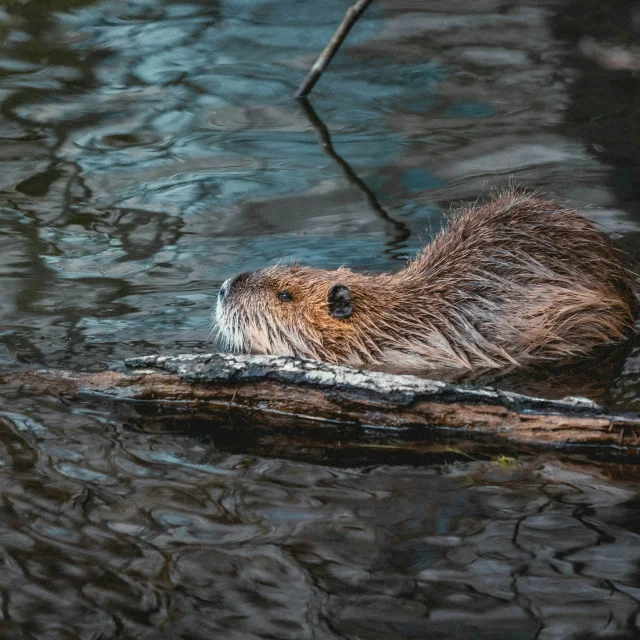
Of course, you’ll also see some spectacular scenery, sculpted into cliffs, valleys and vineyards. And don’t forget:Eurasian beavers can be seen in Burgundy’s rivers. Not to be confused with its cousin the coypu, which is smaller and has a more rounded tail.

FAQ - Natura 2000

Other natural areas

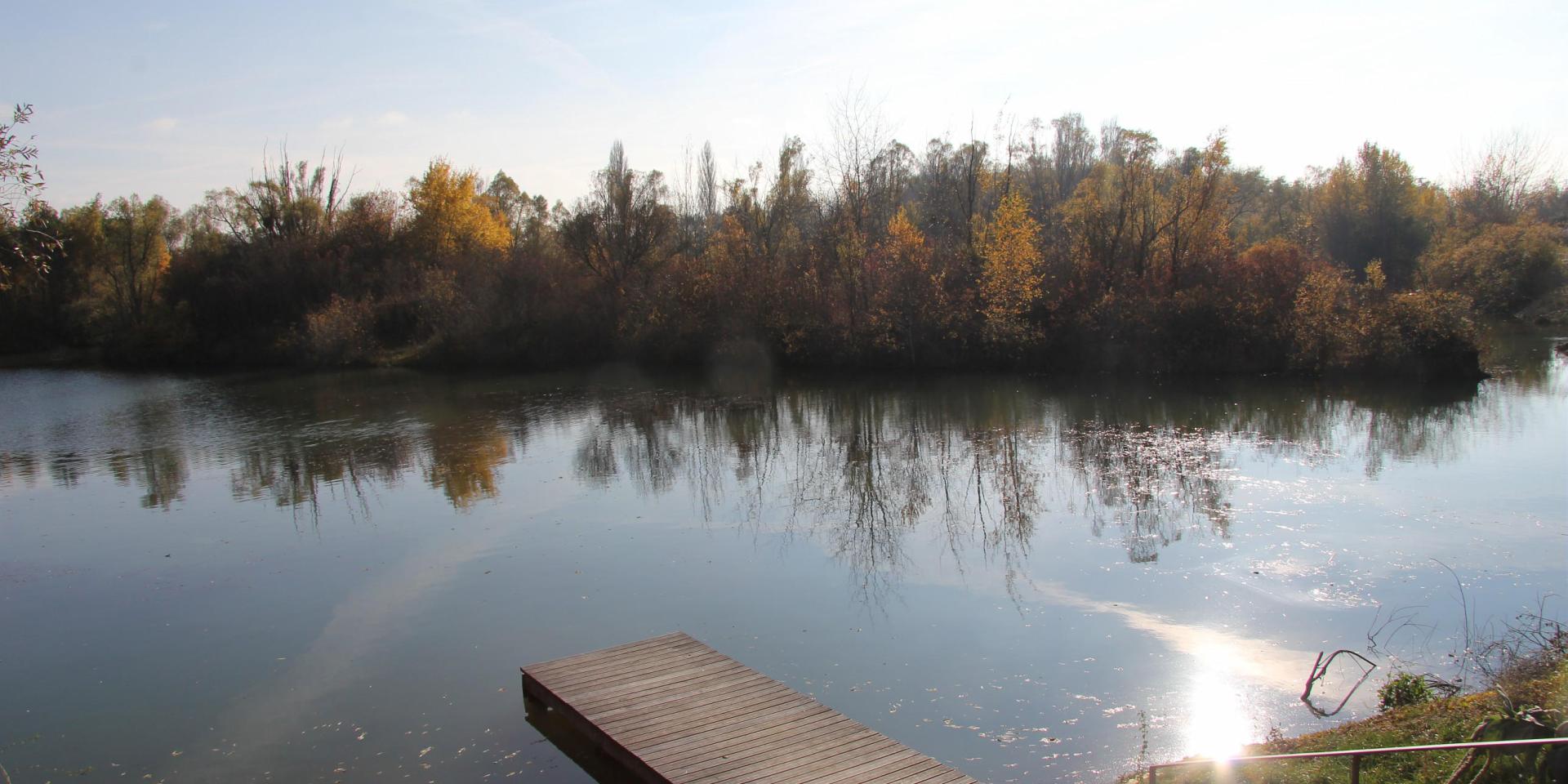
Alongside them, other areas such as the Étangs d’Or de Merceuil-Tailly, although outside the NaturaNatura 2000 area, are also part of this conservation drive, combining public access, environmental education and protection of wetlands. The aim is to give everyone the chance to discover the flora and fauna by following the explanatory signs. The right thing to do: respect the tranquillity of the fauna and local regulations. Free events are organised throughout the year to raise awareness and help visitors discover this natural wealth.

All Resources

to preserve and enjoy

Here you’ll find all the resources you need to preserve and enjoy our Natura 2000 protected areas in the Pays Beaunois.

Other resources for further information:

  • TheNational Inventory of Natural Heritage
  • LPO 21: Côte d’Or League for the Protection of Birds
  • CENB: Burgundy Conservatory of Natural Areas
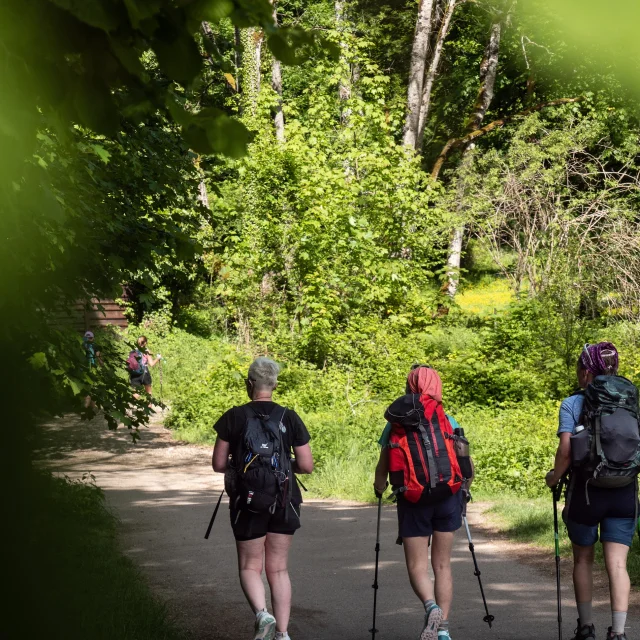
  • FFRP: Fédération française de randonnée pédestre (French hiking federation)
  • Côte d’Or Fishing Federation
  • FDC 21: Côte d’Or Hunting Federation
  • Agriculture: Côte d’Or Chamber of Agriculture
  • Public forest: ONF, Office national des forêts (National Forestry Office)
  • Private forest: CRPF, Centre régional de la propriété forestière Bourgogne (Burgundy regional forest property centre)