P1088058P1088058
©P1088058|Quentin Lahaie
All your questions and our answers aboutRoute des Grands Crus

FAQ Route des Grands Crus

Burgundy is full of treasures, including one that you can’t hide! The Route des Grands Crus, Burgundy’s wine tourism route, invites you to discover the region’s landscapes and wines through its emblematic villages and climats. A route like this inevitably raises its share of questions, and rightly so. Do you have questions about the Route des Grands Crus? Here are our answers to help you prepare for your discovery!

What is the Route des Grands Crus?

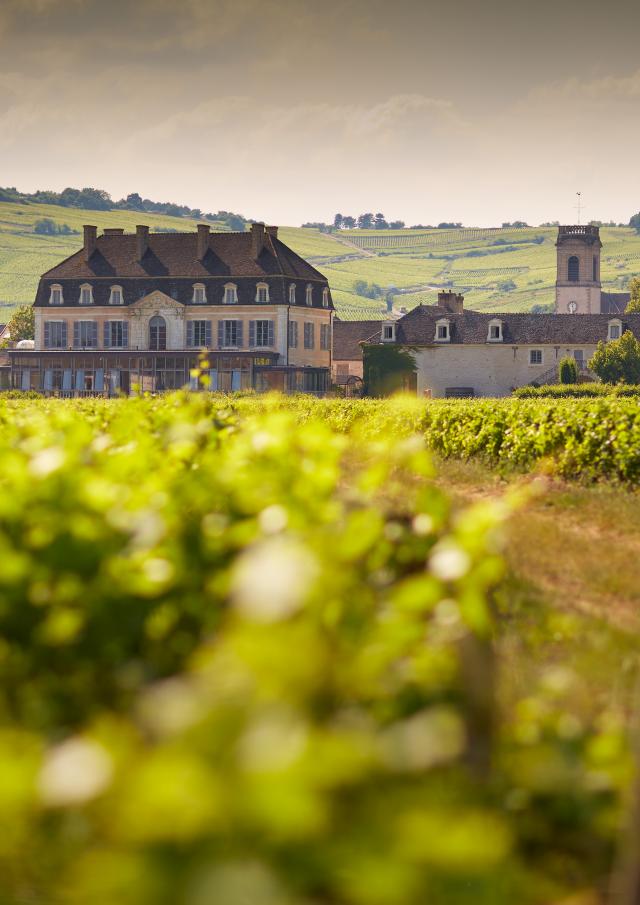
The Route des Grands Crus is the emblematic tourist route for Burgundy wines. It stretches from Dijon to Santenay, passing through some fifty famous wine-producing villages in the heart of the famous “climats“, a UNESCO World Heritage Site. Between hillsides, vineyards and cellars, it invites you to discover the landscapes, know-how and prestigious wines for which the region is famous.
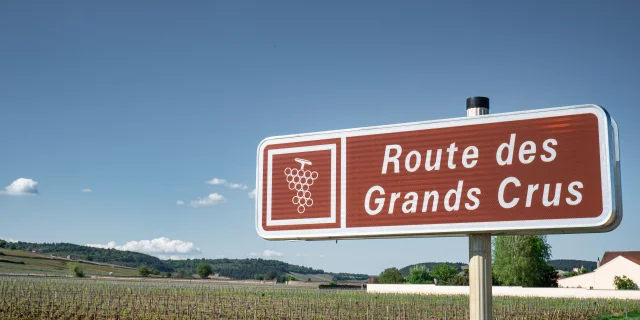
Everything you need to know about the Route des Grands Crus
Find out more about the Route des Grands Crus
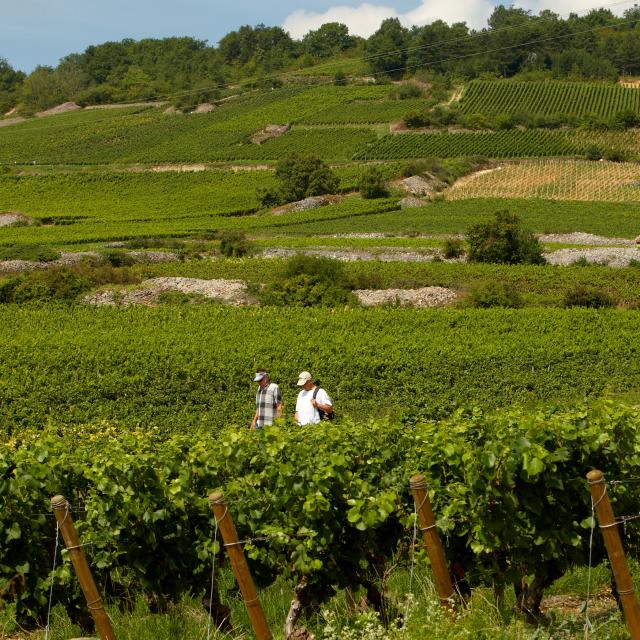
  • Can I take photos in the vineyard?

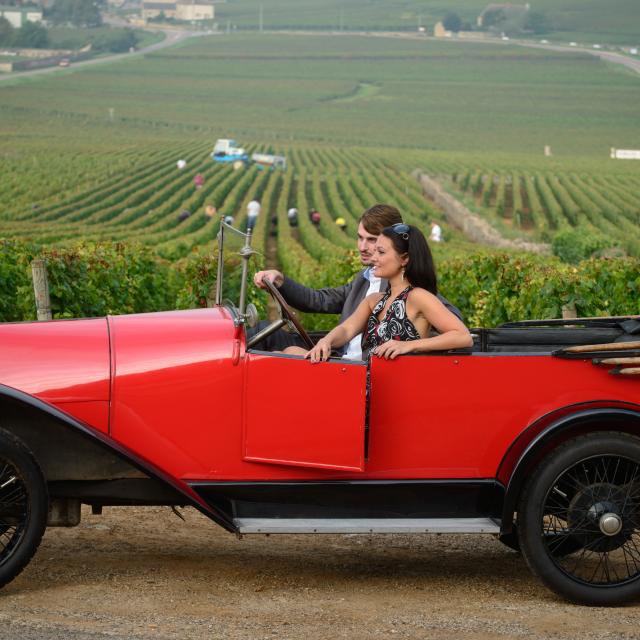
    Yes, you can take photos in the vineyards! But be careful, the vines are not just scenery: they are private plots of land and, above all, workplaces for the winegrowers. To respect their work and preserve the vineyard, here are a few simple rules to follow:

    • Stay on the edge of the rows, without walking between the vines, especially if they have been treated recently.
    • Watch out for farm machinery: it has priority on the vineyard paths.
    • Don’t touch the grapes or vines, even out of curiosity: this can weaken the plant or compromise the harvest.

    By taking these simple steps, you’ll be helping to protect this living heritage… and your photos will be all the more beautiful for it!

  • What are the most beautiful places in Burgundy along the Route des Grands Crus?

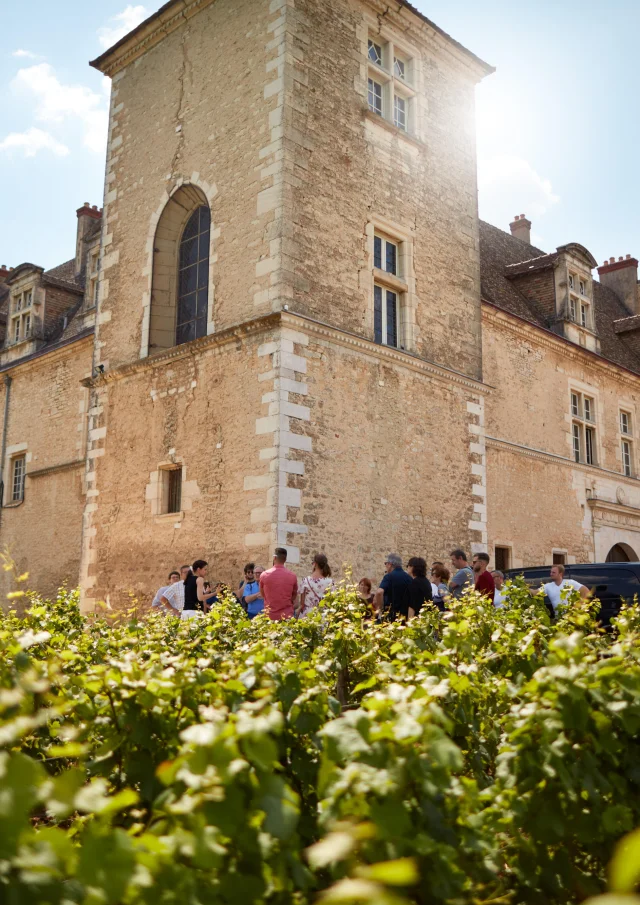
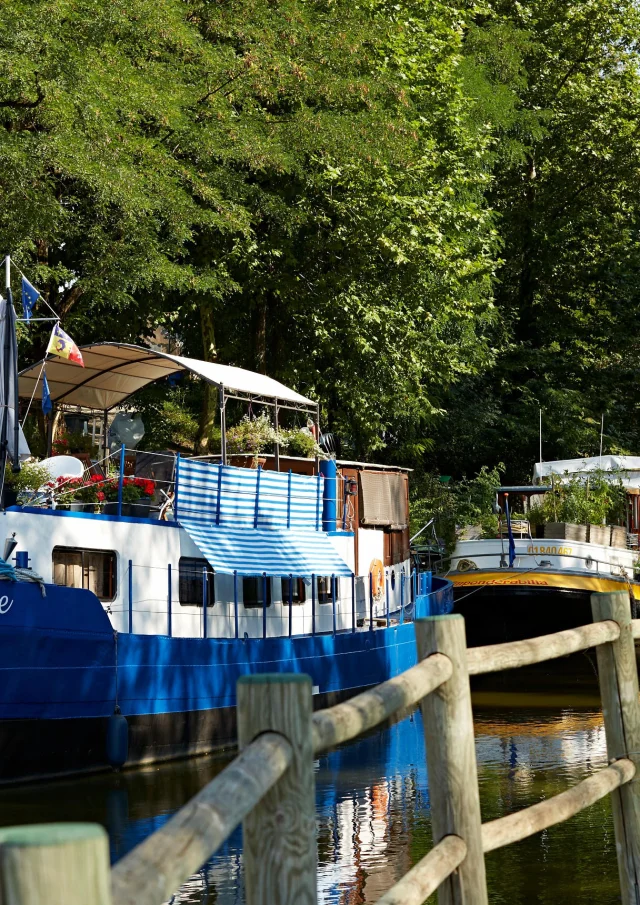
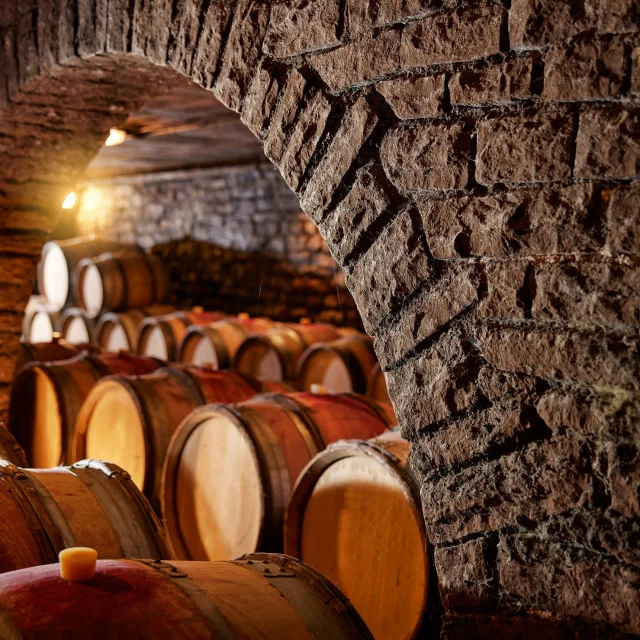
    The Burgundy wine route is packed with places to discover between tastings. To the north, Dijon is a magnet for visitors with its Musée des Beaux-Arts, the Tour Philippe le Bon and its blackcurrant specialities. In Nuits-Saint-Georges, discover the Cassissium and immerse yourself in the world of blackcurrants. Stop off at Clos de Vougeot, in the heart of the vineyards, to discover this famous château. In Beaune, visit the famous Hospices and lose yourself in its historic cellars and alleyways. Further south, discover Meursault (famous for La Grande Vadrouille), the Château de Pommard, the vineyards of Saint-Aubin, and the Canal de Chagny, where nature and contemporary art meet. Finish on a high note with the Grands Crus of Montrachet and the peaceful charm of Santenay.

  • Which grape varieties are emblematic of the Route des Grands Crus?

    The route passes through 32 grands crus, and generally features Burgundy’s emblematic grape varieties: Pinot Noir and Chardonnay. You can also find Aligoté and Gamay, both descended from Pinot Noir.

  • "Route des Grands Crus", "Burgundy Wine Route", "Chemin des Grands Crus",
    • The Route des Grands Crus is the official and historic itinerary of our wine route in the Côte de Beaune and Côte de Nuits.
    • The Burgundy Wine Route is a more generic term
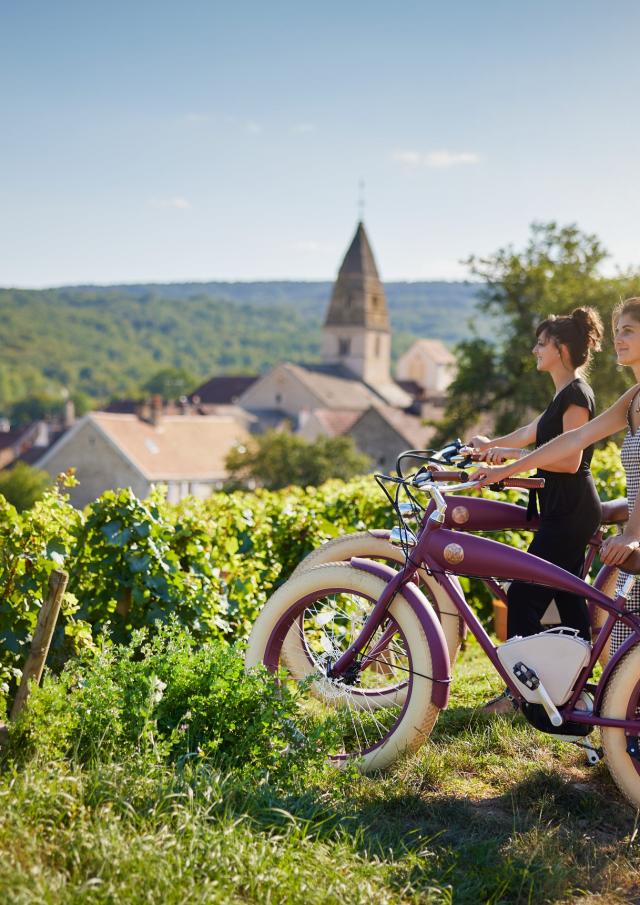
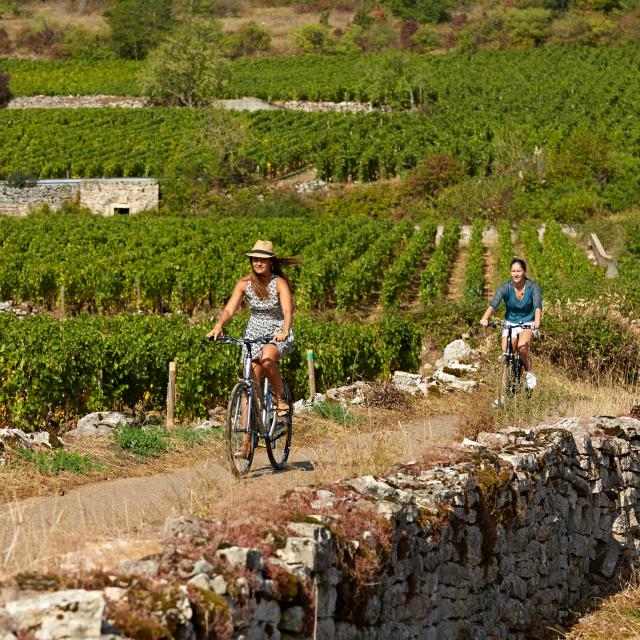
    • The Chemin des Grands Crus refers to the footpath or cycle path that runs alongside the Route des Grands Crus, through vineyards and villages.
    • The Voie des Vignes is the cycle route that runs parallel to the Route des Grands Crus.
  • When is the best time of year to visit the Route des Grands Crus?

    There’s no “best” time, because you’ll find that the road changes completely with the seasons! That said, spring is an excellent compromise: the vines emerge from winter, the leaves grow back and everything is green and in bloom.

    • In spring(April to June), the vines come back to life, the countryside is fresh and green, and there aren’t too many people around. Nevertheless, the weather can still be unstable, with a few showers and a certain coolness.
    • In summer(July to August), it’s holiday time: sunshine, lively villages, open wine cellars and plenty of activities. Beware, however, of the crowds and the heat, which can be overwhelming.
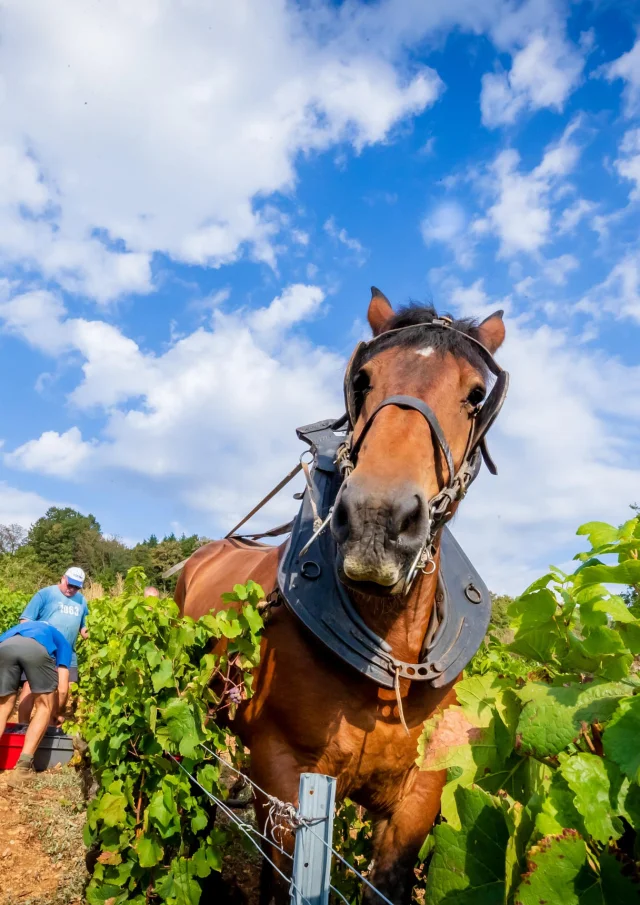
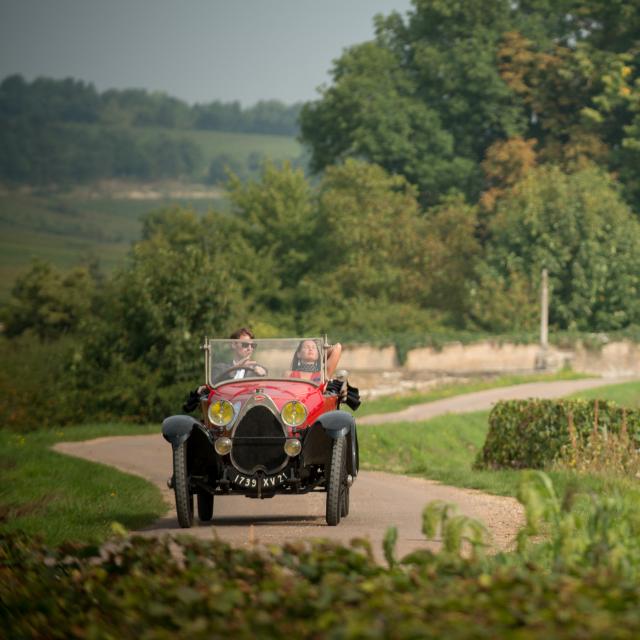
    • In autumn(September to October), the vines take on magnificent hues of gold and red, and it’s harvest time: a lively and authentic time. However, some estates are less available because of the harvest and work in the cellars. And be careful about sharing the roads and paths with wine-making machinery.
    • In winter(November to March), the road is quieter, with a more intimate atmosphere and often lower prices. But there are fewer wineries open, the weather is colder and the days are shorter.
  • What is France's oldest wine route?

    The Route des Grands Crus, of course! Created in 1937, this was the very first wine route in France. It paved the way for a new type of tourism, making it easy to discover a vineyard in all its richness: its landscapes, its villages, its traditions… and, of course, its wines.

  • What is the capital of Burgundy wines?

    Beaune, of course! All roads lead to Beaune. It’s the beating heart of the Route des Grands Crus, the capital of Burgundy wines. A town steeped in history, heritage and wine-tasting, Beaune is often an essential stopping-off point, whether you’re coming from the north or the south. With its world-famous Hospices, historic cellars, lively alleyways and unique wine-growing atmosphere, Beaune alone embodies the soul of Burgundy.

  • What are the most beautiful villages on the Burgundy Wine Route?

    Taking the Burgundy Wine Route means driving through some exceptional villages! Discover the famous wine villages of Meursault, Pommard, Puligny-Montrachet, Chassagne-Montrachet, Aloxe-Corton and Pernand-Vergelesses.